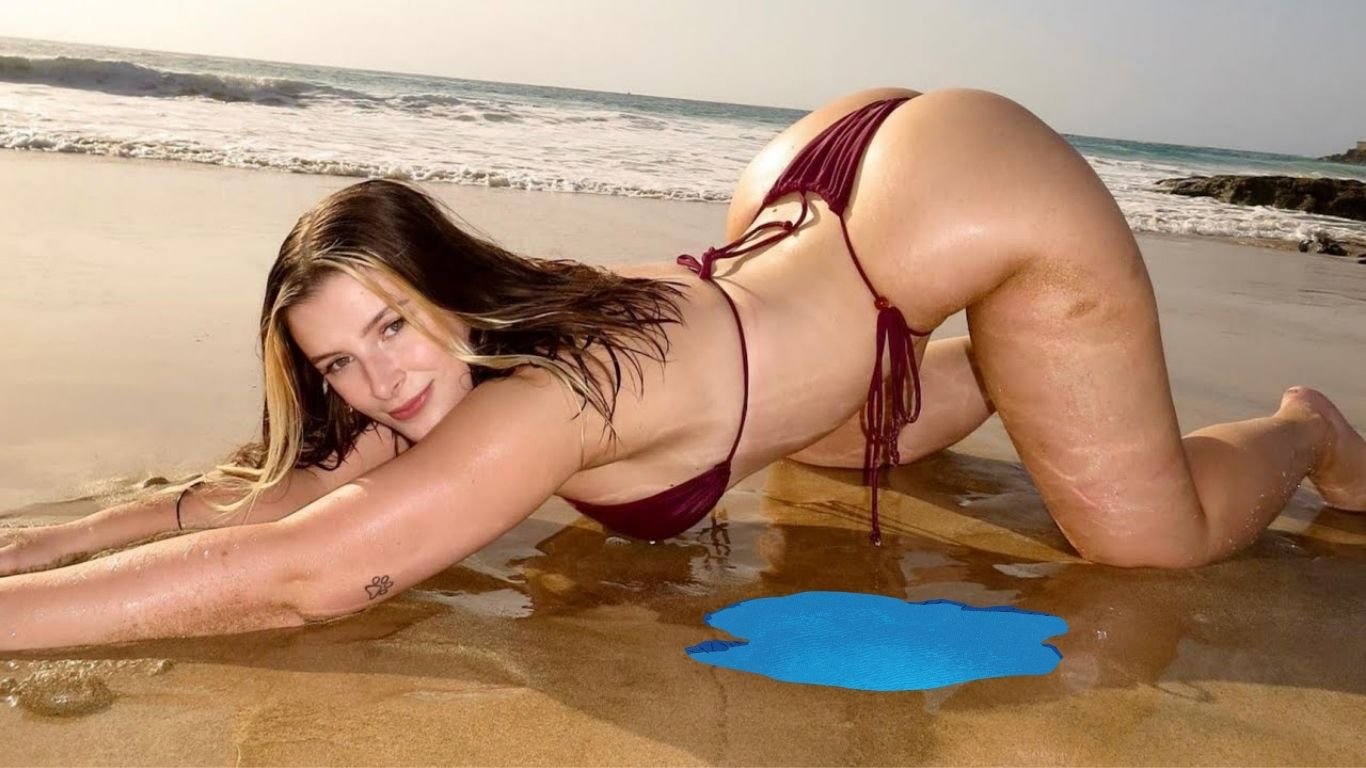
There’s a special kind of internet mystery that only becomes obvious at 2:14 a.m., when your thumb is sore from scrolling and your search history looks like a fever dream. One minute you’re harmlessly checking memes, and the next you’re staring at a name you’ve never heard in your life! yet somehow, the search bar is practically begging you to click it.
This year, that name is Mia Grose.
More specifically:
“Mia Grose Babepedia.”
If you’ve noticed that oddly specific search combo ricocheting through Twitter threads, Reddit rabbit holes, and late-night group chats, you’re not alone. The phrase has become one of the most unexpectedly popular micro-trends of early 2025, despite (or perhaps because of) the fact that almost nothing substantial is known about the person behind the name.
And that’s exactly why the phenomenon is fascinating.
This isn’t about a celebrity scandal. Or a breakout TikTok star. Or some overnight viral sensation.
This is about how a single name, without a verified bio or any mainstream presence, can ignite curiosity purely through the digital smoke signals of internet culture.
Welcome to the new era of accidental micro-fame, and why “Mia Grose Babepedia” is the perfect case study for how the internet turns question marks into trending searches.
Quick Facts: What We Actually Know
| Category | Details |
|---|---|
| Name Appearing Online: | Mia Grose |
| Known For: | Trending searches on Babepedia-style directories |
| Verified Occupation: | Not confirmed |
| Public Figure Status: | Not established |
| Major Social Media: | No verified accounts |
| Why She’s Trending: | Curiosity + search algorithms + recommendation loops |
The Search Spike No One Saw Coming
Every year, the internet picks a few unexpected names to obsess over. Sometimes it’s a reality show contestant. Sometimes it’s a teenager who danced in the background of someone else’s TikTok. Sometimes it’s a random guy from a baseball game who sneezed dramatically on live TV.
But Mia Grose?
She didn’t come from TikTok. She didn’t come from Instagram. She didn’t come from a talk show, drama series, podcast appearance, or viral meme.
Her rise came from… search behavior itself.
According to trend trackers like Google Trends and the ever-watchful eyes of digital culture reporters, the phrase “Mia Grose Babepedia” began appearing repeatedly in late 2024, not because of a press event, collaboration, or anything remotely public, but because a small cluster of users kept revisiting her Babepedia profile and related off-platform mentions.
That was enough to spark the perfect storm.
Search engines work a lot like gossip:
If five people whisper something consistently, it only takes one more to turn it into a rumor! and a dozen more to turn it into a trend.
By early 2025, the name was popping up in:
- Reddit forums
- Quora questions
- TikTok comment sections
- Discord servers
- Google autocomplete suggestions
And once a name appears in autocomplete?
Game over.
Curiosity wins every time. By the way, we’ve explained a similar concept here as well: Mitzix Babepedia: The Online Mystery Girl Everyone Is Suddenly Searching in 2025.
Why Babepedia-Linked Searches Blow Up So Easily
Let’s be honest: If someone lands on Babepedia, they already expect to find a certain type of profile. The site is built around glamour modeling, photography credits, and fan-maintained directories.
So when users search “Mia Grose Babepedia”, they’re usually trying to answer the same handful of questions:
- Is she a model?
- Has she worked in fashion?
- Where is she from?
- Why is her name trending?
- Is she a new public figure?
But here’s the twist:
Unlike popular models or influencers listed on similar directories, there’s no extensive portfolio, no verified links, and no documented career path for Mia Grose.
Her profile exists, but the details behind it?
Practically vapor.
That’s where the curiosity really kicks in.
When people encounter a name that seems like it should lead to more information but doesn’t, the human brain gets itchy. It wants closure. It wants context. It wants answers.
And when the internet doesn’t provide those answers?
It searches harder.
The Internet’s New Breed of Accidental Micro-Fame
We’re living in a time when you can become “famous” without actually being famous, not in the traditional sense. In 2025, visibility isn’t earned through public appearances or achievements alone; sometimes it’s triggered entirely by:
- algorithm loops
- repost culture
- random profile indexing
- engagement spikes
- curiosity cascades
It’s the digital equivalent of someone accidentally walking into the background of a photo that ends up in Times Square.
This phenomenon isn’t new, but it’s accelerating.
Remember:
- The guy who went viral on TikTok for eating a bell pepper like an apple
- The woman from that airplane meltdown clip (“That mother****er is not real!”)
- The random guy named John Pork whose AI-generated character became a meme
- The unintentional “Vibing Cat”
- The accidental “Disaster Girl,” “Side-Eyeing Chloe,” and the “Blinking White Guy”
None of them set out to be known online.
But fame found them anyway.
Mia Grose seems to be the next iteration of that pattern, not through memes or content, but through search behavior alone.
Her name rings through the data chambers of the internet purely because enough people whispered it into the algorithm at the same time.
The Psychology Behind Why Everyone Clicks
Let’s break down the exact moment curiosity turns into a click.
When someone sees “Mia Grose Babepedia” trending, three things happen:
1. The “Who is she?” instinct kicks in
Humans love discovering someone “unknown” before everyone else. It feels like an exclusive backstage pass.
2. The directory factor makes it feel important
Babepedia, much like IMDb or FamousBirthdays, gives names a veneer of public-figure legitimacy, even when info is thin.
3. The lack of information becomes its own mystery
The less info available, the more intriguing the search becomes.
This is why mysterious names trend harder than established celebrities.
Mystery converts better than clarity. Always has.
Why We Know So Little, And Why That Matters
In a world where most rising personalities have:
- Instagram accounts
- public interviews
- TikTok presence
- YouTube vlogs
- podcast appearances
- collaborations
…the absence of all of that is startling.
There are no verified socials tied to Mia Grose.
No interviews.
No modelling credits reported by media outlets like People, Billboard, or Variety.
No IMDb pages.
No portfolio links.
And in 2025, that makes her more interesting, not less.
This taps into a bigger cultural shift:
We’re becoming obsessed not just with influencers, but with un-influencers, people who show up in systems designed for public figures but haven’t stepped into the spotlight themselves.
It’s the allure of the unknown.
The Role of Algorithms in Creating Unintentional Fame
Let’s talk about the real culprit here:
algorithmic ricochet.
When enough people search a name:
- Autocomplete picks it up
- Trending dashboards surface it
- Reddit threads get suggested to new users
- TikTok stitches mention it
- SEO blogs start scraping it
- Curiosity snowballs
This is fame created not by content, but by metadata.
It’s fame by way of digital residue.
Fame without participation.
If Barbra Streisand has the “Streisand Effect” named after her, maybe Mia Grose is quietly becoming the patron saint of the Autocomplete Effect.
What “Mia Grose Babepedia” Reveals About Fame in 2025
This isn’t just a random search anomaly.
It’s a mirror held up to our digital culture.
Here’s what the trend tells us:
1. The internet no longer needs content to create visibility.
Sometimes, the name alone becomes the event.
2. Mystery outperforms information.
A clear bio is less clickable than a blank one.
3. Directories shape perception.
Being listed anywhere! Babepedia, IMDb, FamousBirthdays, gives a person the illusion of public significance.
4. The line between public and private is blurring fast.
Someone can trend without even showing up.
5. Fame is no longer something you “get”, it’s something that can happen to you.
Whether you want it or not.
So What Happens Next?
Right now, “Mia Grose Babepedia” remains one of those wonderfully bizarre internet curiosities, a name echoing across search engines without a public figure to attach it to.
But here’s the fun twist:
Sometimes trends like this do lead somewhere.
We’ve seen:
- anonymous creators eventually step forward
- mysterious profiles turn out to be rising models
- directory listings spark genuine careers
- accidental fame turn into intentional influence
And sometimes… the mystery just stays a mystery.
And that’s its own magic.
In an online world where everything feels overexposed, overexplained, and overanalyzed, a little digital ambiguity can feel strangely refreshing.
Maybe that’s why people keep searching.
Before You Go: What Do You Think?
Do you think Mia Grose is:
- an emerging model?
- a misindexed profile?
- a digital ghost?
- or the internet’s next accidental phenomenon?
Whatever the truth is, one thing is certain:
2025 has plenty more mysteries waiting in the algorithm’s shadows! and this might just be the first one to catch your eye.
- bigtittygothegg — Complete Profile, Links & Online Presence
- Top Medical Spa Treatments for Youthful Skin

- Understanding CBD Isolate: A Comprehensive Guide

- Understanding Body Confidence: A Guide to Surgical Options
- Backlinks Explained: Why Quality Links Matter More Than Ever in SEO
- Unified Support Approaches That Strengthen Care Systems